


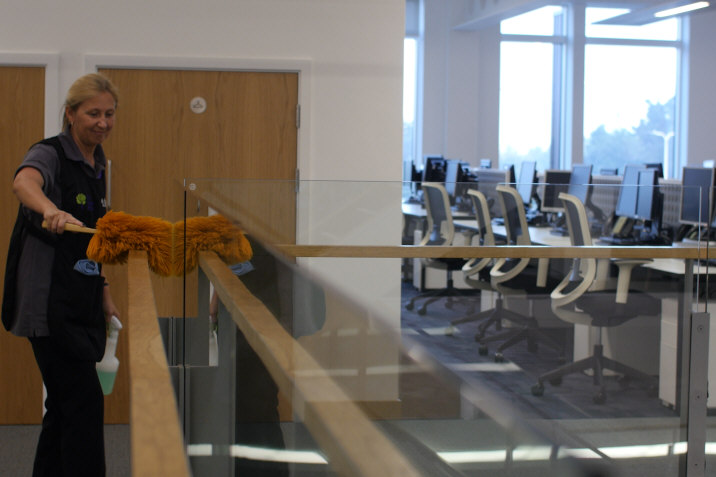
When looking at monthly expenses, some managers wonder if they can handle the maintenance of their workspace in-house. While a quick vacuum and a wipe-down of the desks might make things look better on the surface, there’s a massive difference between an office deep cleaning that’s tidy and one that’s professionally clean. Understanding the risks and rewards of each approach is vital for protecting your building and your staff.

The Reality Of DIY Vs Professional Cleaning
The main appeal of a DIY approach is usually cost saving. If you have a small team, it might seem easy enough to ask everyone to keep their own area clean. However, the DIY vs professional cleaning debate isn’t just about who holds the mop, but about the results achieved. Most domestic cleaning products and equipment aren’t designed for the heavy-duty requirements of a commercial environment.
A standard upright vacuum cleaner, for instance, doesn’t have the suction power or filtration needed to remove deeply embedded grit from commercial carpets. Over time, this dirt builds up, even if the surface looks fine. Professional cleaning services, on the other hand, use industrial-grade machinery that extracts dirt from the very base of the carpet fibres, ensuring a level of hygiene that a household vacuum simply cannot match.
The Risks Of Incorrect Cleaning Methods
One of the biggest dangers of a DIY approach is the accidental damage caused by using the wrong products.
- Chemical Damage: Using a generic bleach-based spray on a natural stone counter or an aluminium window frame can cause permanent etching or discolouration.
- Flooding Fibres: DIY carpet cleaning often involves over-wetting the carpet. If the water isn’t extracted properly with professional machinery, it can lead to mould growth in the underlay and a sour smell that’s impossible to get rid of.
- IT Failures: Cleaning computer screens with standard glass cleaner can strip away protective coatings. Likewise, using too much moisture near keyboards or server vents can cause expensive short circuits.
Why Office Deep Cleaning Is A Specialist Task?
Surface cleaning is something most people can do, but true office deep cleaning is a different beast entirely. A deep clean involves reaching the areas that are usually ignored during a daily tidy-up. This includes high-level dusting of vents and light fixtures, steam cleaning of upholstered office chairs, and the sanitisation of high-touch points like door handles, lift buttons, and shared kitchen appliances.
Professional teams follow proven processes and checklists that ensure no area is missed. They’re trained in colour-coded cleaning systems, which prevent cross-contamination. This
means a cloth used in the washroom will never find its way onto a kitchen worktop or a staff desk. Without this training, a DIY cleaning attempt can actually spread bacteria around the office rather than remove it.
Protecting Your Long-Term Assets
Every part of your office, from the flooring to the furniture, is a business asset. If these items aren’t maintained correctly, they wear out much faster. Regular office deep cleaning acts as a form of preventative maintenance. For example, professional floor buffing and sealing protect the surface of hard floors from scratches and scuffs, potentially delaying an expensive replacement for many years.
When you look at the DIY vs professional cleaning choice through the lens of asset management, the professional option often ends up being the most cost-effective in the long run. You’re spending a little more on service now to avoid spending thousands on new carpets or desks later.
Maintaining Hygiene Standards And Presentation
Your office is the physical face of your brand. If a client walks into a meeting room and sees dusty corners or stained carpets, it sends a message about your attention to detail. Beyond the look of the space, there is the issue of health. A workspace that isn’t professionally cleaned can become a breeding ground for allergens and seasonal viruses. By using professional cleaning services, you’re ensuring that the environment is truly sanitised. This leads to a healthier workforce and fewer sick days.
Specialist Training And Machinery
Professional cleaners are trained in COSHH (Control of Substances Hazardous to Health) and health and safety regulations. This ensures that the cleaning is done safely, without leaving slippery residues on floors or harmful fumes in the air.
While it’s possible to rent some of this equipment, without the proper training, it’s easy to use it incorrectly. This can result in streaking on floors or damaging the very surfaces you’re trying to save. Professional teams come fully equipped with everything needed to tackle even the most stubborn grime safely and efficiently.
Ultimately, professional cleaning offers peace of mind. You know the job is being done to a high standard, your assets are being protected, and your staff are working in a safe, hygienic environment.
Contact us today to book a consultation and see the difference professional cleaning can make.

- Why IT Equipment Cleaning Is Now A Business-Critical Service - October 8, 2026
- How Often Should You Get Your Office IT Equipment Professionally Cleaned? - September 24, 2026
- When Should You Replace Vs Clean Your Office Carpet? - September 10, 2026